
THREE YEARS IN SOLITUDE
The Blue Ridge mountain retreat
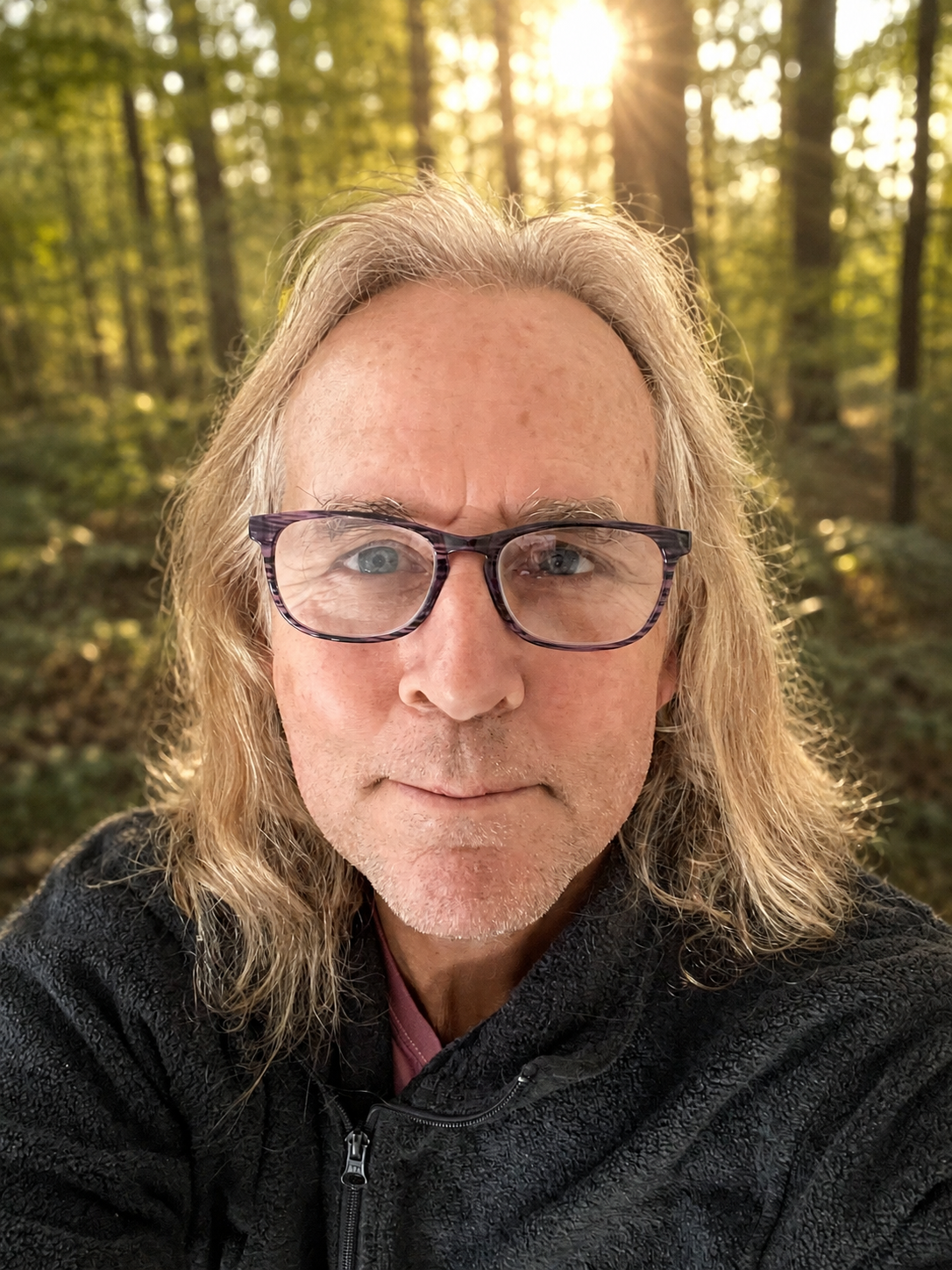
After years of working in the entertainment industry and facilitating meditation and spiritual awakening groups, Prasad moved to a cabin in the Blue Ridge Mountains for what would become three years of solitude. The retreat was not a withdrawal from life, but a deeper surrender to it—a period of listening, contemplation and transformation in which the boundaries between teaching and art began to dissolve. In that stillness, Prasad’s understanding of love, identity, freedom and awakening found new expression through spiritual teachings, novels, plays and films, each becoming a different doorway into the same essential inquiry: Who are we beneath the identities, beliefs and stories that limit us?
Prasad is returning to the world with a renewed calling: to share the timeless teachings of Self-Love and Self-Realization and to bring forth the spiritual and creative work that emerged from the Silence. Now, at a time of profound political, social and technological change, he returns not simply to resume the work he began more than thirty years ago, but to share it in a new and expanded form—through private sessions, public Satsangs, online courses, workshops, retreats, books and dramatic works. His intention is to meet people wherever they are: some may enter through a spiritual teaching, others through a story, a character, an interview or a moment of recognition. Each path ultimately points toward the same awakening—the realization that what we have been searching for is already within us, and that by awakening to the truth of who we are, we can participate together in creating a more loving, conscious and compassionate world.
THE RETURN TO THE WORLD
the Work
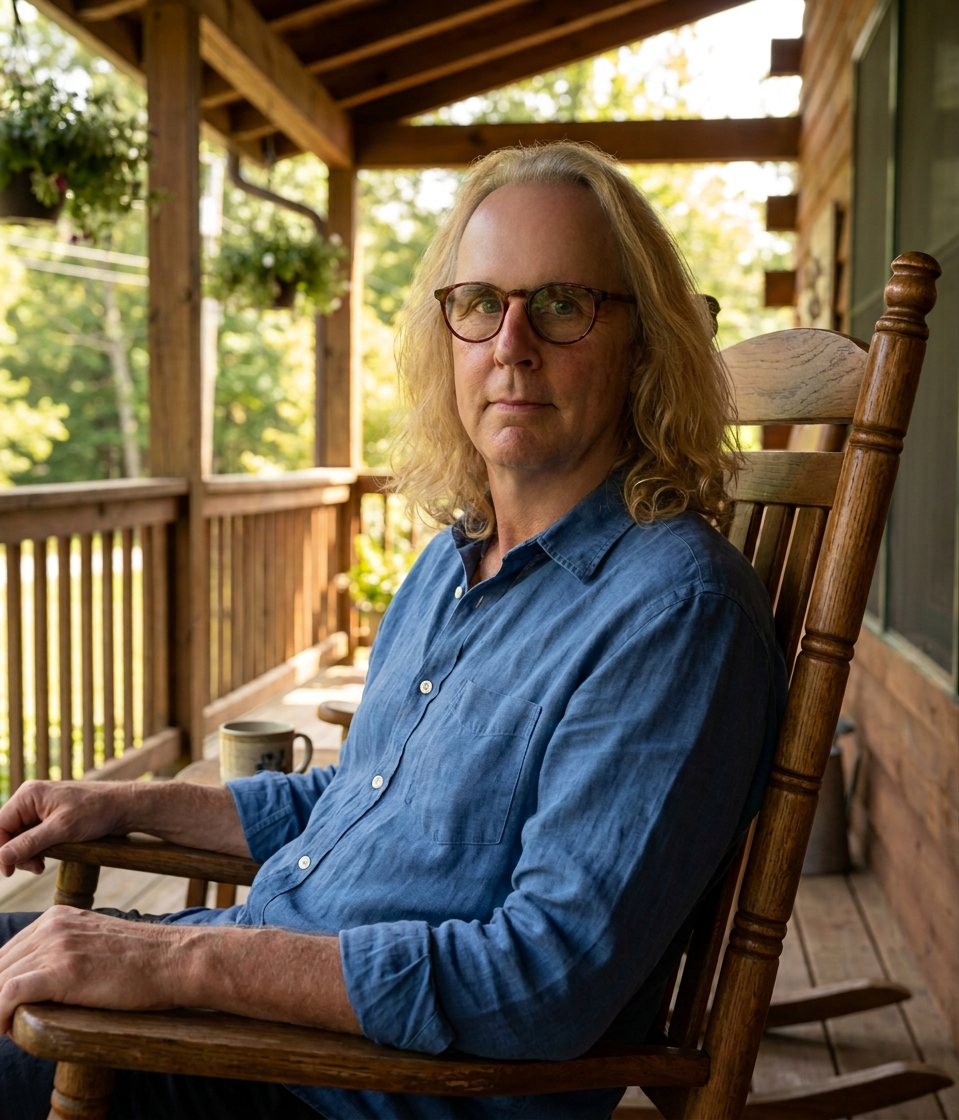
Prasad Paul Duffy’s creative journey began with screenwriting, where he learned to reveal character through image, action and the tensions between what people say and what they cannot yet admit to themselves. His work for film eventually led him to the theatre, where dialogue, intimacy and the immediate presence of actors and audiences allowed him to explore human conflict more directly. From screenplays and produced plays, he moved into writing novels, discovering in fiction the freedom to enter more deeply into the inner lives of his characters and follow their transformations across longer, more expansive narratives. Although he works in different forms and genres—from literary fiction and relationship dramas to historical plays, psychological thrillers and comic crime stories—his work is united by a consistent artistic vision and a belief that storytelling can create empathy without prescribing what an audience should think.
At the heart of Prasad’s creative work is the intersection of love, identity, art and freedom. His stories repeatedly ask how people can love one another without sacrificing the freedom to become fully themselves. His characters are often artists, writers, musicians or public figures whose creative identities cannot be separated from their emotional lives. They struggle against the roles imposed upon them by family, religion, sexuality, ideology, marriage, ambition and society, while attempting to discover which parts of their identities are authentic and which have been constructed for acceptance, security or survival.
Rather than dividing the world into heroes and villains, Prasad places complex people on opposing sides of moral, political and emotional conflicts and allows each of them to be seen from within. His stories do not preach, teach or provide comfortable answers. They present difficult questions, invite audiences to inhabit conflicting perspectives and trust readers and viewers to arrive at their own conclusions.
These themes runs throughout his growing body of work. The Alchemy Hour explores what happens when a celebrated relationship expert falls in love with a former patient and is forced to confront the distance between her public identity and private life. Stay With Me Tonight examines how love can become entangled with ideology and power, and how desperation can unravel a seemingly perfect relationship. Frida and Diego portrays Frida Kahlo and Diego Rivera struggling to reinvent marriage, fidelity and artistic independence without surrendering the creativity that continually pulls them together and drives them apart.
And then there are Prasad’s two upcoming novels, A Dream of Sky, which follows a closeted bisexual musician whose love, grief, sexuality and artistic ambition unfold across a decade-long relationship and Fuggedaboudit, which approaches questions of family, survival and redemption through the more comic world of an ex-con, a retired mob boss and a missing fortune. Across all these works, the settings, tones and genres may change, but the central inquiry remains: How can one person love another fully without surrendering the freedom to be fully oneself?
The months ahead will bring these screenplays, plays and novels into the world alongside Prasad’s spiritual teachings. His art is another expression of the same lifelong exploration: the movement from fear toward love, from inherited identity toward authenticity, and from unconscious division toward greater understanding and unity consciousness.
Some may encounter Prasad through a teaching, while others may discover him through a novel, a play, or a film featuring a character whose struggle reflects something within their own lives. Together, Prasad’s spiritual and creative work form one expression designed to empower others to awaken to their own true Self.
For those who feel called to explore this awakening with Prasad, he offers private online sessions and workshops as a modern day guru, well versed in the challenges of contemporary living. His nondual spiritual guidance brings Self-inquiry into direct experience, creating a safe space to explore Truth, Freedom and Self-Love.

